 Admin
Admin 
-
Admin
- 31 March 2026
Imagine controlling heavy industrial machines without being tied to a fixed position, no cables, no restrictions, just smooth and precise operation from wherever you stand.
That’s exactly what modern control systems have made possible.
In industries where every movement matters, operators need more than just basic control, they need flexibility, visibility, and confidence while handling equipment. This is where radio frequency remote control systems have changed the way machines are operated on the ground.
Instead of working around limitations, businesses can now focus on safer, faster, and more efficient operations.
What is a Radio Frequency Remote Control System?
A radio-based control system allows an operator to send commands to a machine using signals transmitted through radio waves.
Key components include:
- Transmitter (handheld controller used by the operator)
- Receiver (installed on the machine)
- Control unit (executes the commands)
When a button is pressed on the controller, the signal is transmitted instantly to the receiver, which then performs the required action.
This setup eliminates the need for physical connections and gives operators more freedom to move around the workspace.
How It Works in Industrial Applications
Basic working principle
- The operator presses a command on the transmitter
- The signal is sent through a specific frequency
- The receiver captures and processes the signal
- The machine responds immediately
This entire process happens in real time, allowing smooth and accurate control of equipment.
A wireless remote control system like this is especially useful in environments where movement and flexibility are important.
Why Industries Prefer This Technology
1. Freedom of Movement
- Operators are not restricted to one location
- Easy to control equipment from different angles
- Better handling in large workspaces
2. Improved Visibility
- Operator can stand at a safer and clearer position
- Reduces blind spots during operation
- Helps in precise load placement
3. Reduced Physical Strain
- No need to follow the machine continuously
- Less fatigue during long working hours
- More comfortable operation
These advantages make a radio remote control system a practical upgrade over traditional wired methods in many scenarios.
Applications Across Industries
Radio-based control systems are widely used in different sectors because of their flexibility and reliability.
Common applications include:
- Overhead cranes and hoists
- Material handling systems
- Construction equipment
- Warehouse operations
- Assembly and production lines
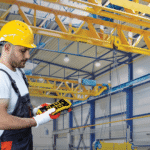
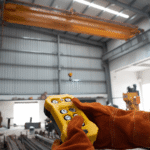
In crane operations specifically, a wireless crane remote allows operators to control lifting and movement from a safe distance, improving both efficiency and safety.
Key Features to Look For
When selecting a system for industrial use, certain features can make a significant difference.
Important features:
- Stable signal transmission
- Long operating range
- Emergency stop function
- Durable design for industrial environments
- Secure frequency channels to avoid interference
Choosing the right system ensures consistent performance and reduces the chances of operational issues.
Safety Benefits in Real Work Environments
Safety is one of the biggest reasons industries adopt remote control systems.
How it improves safety:
- Keeps operators away from hazardous zones
- Reduces the risk of accidents during lifting
- Allows quick response in emergency situations
With better control and positioning, operators can manage loads more confidently and avoid risky situations.
Maintenance and Reliability
Industrial systems are expected to work continuously without frequent breakdowns.
Maintenance advantages:
- Minimal wear compared to wired systems
- Easy to inspect and maintain
- Long operational life with proper usage
Regular checks and proper handling can keep the system running smoothly for years.
Choosing the Right System for Your Application
Every industry has different requirements, so it’s important to choose a system that fits your needs.
Consider these factors:
- Type of equipment being used
- Working environment conditions
- Required operating range
- Number of control functions
A well-matched system not only improves performance but also ensures long-term reliability.
Conclusion
Industrial operations are evolving, and control systems are a big part of that change. A well-designed remote system offers flexibility, safety, and efficiency that traditional methods often cannot match.
Whether it’s improving operator comfort or reducing risks on the floor, the right control solution can make a noticeable difference in daily operations.
Get the Right Solution for Your Business
If you are looking for reliable and high-performance remote control systems for industrial applications, choosing the right partner matters.
👉 Explore advanced solutions here: https://srpremote.com/
Find the right system that fits your operations and helps improve safety, control, and productivity